Variance Dynamics: Provider Differences in Shaping Mobile Progressive Slot Accessibility Across UK Platforms
Noah Reed · Oct 17, 2026
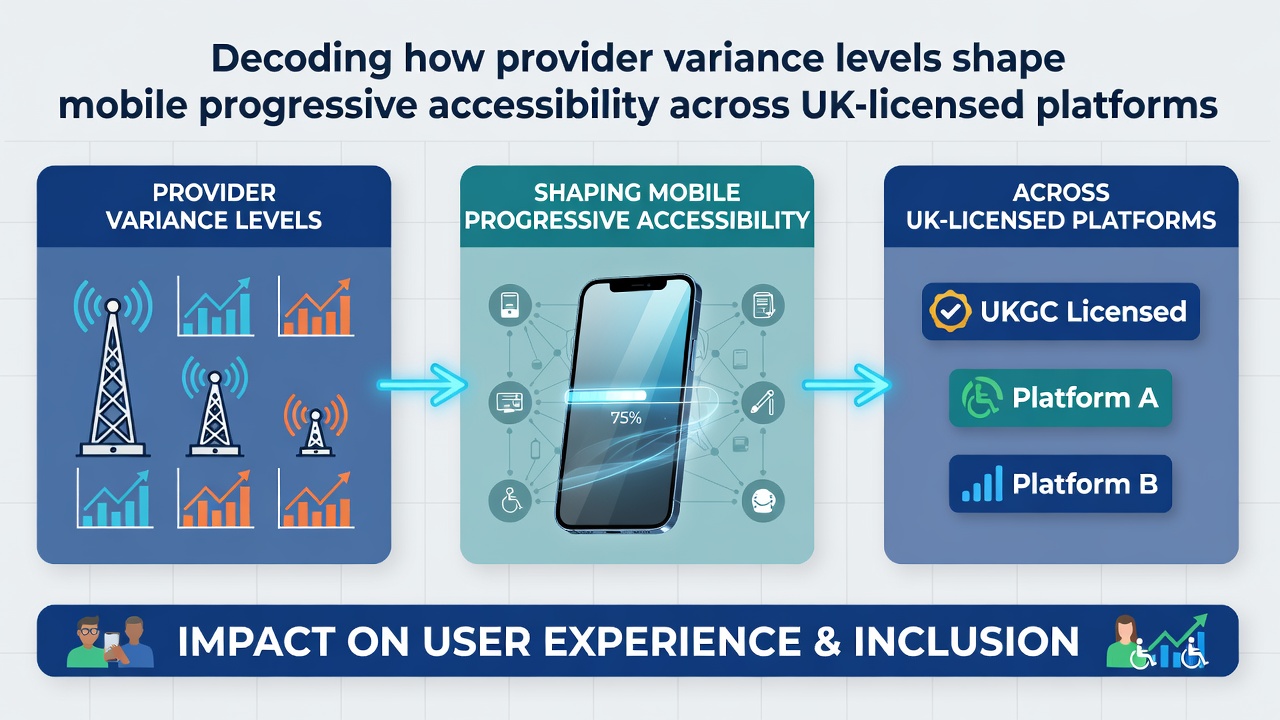
Variance Dynamics: Provider Differences in Shaping Mobile Progressive Slot Accessibility Across UK Platforms
Providers release slots with distinct variance profiles that directly influence how progressive jackpots become reachable during mobile sessions on UK-licensed platforms, and data from October 2026 shows measurable differences in trigger frequency tied to those profiles. High-variance titles from certain studios deliver larger progressive pools yet require extended play sequences before activation, whereas medium-variance options from other developers produce more regular contributions to shared jackpots across the same networks. Observers note that mobile users encounter these patterns through session analytics supplied by the platforms themselves, which track average spins between progressive contributions and final payouts.
Provider Variance Categories and Their Mobile Effects
Studios categorize variance into low, medium, and high tiers, each producing distinct accessibility curves for progressive features when accessed via smartphones and tablets. Low-variance providers maintain steady base-game returns that feed smaller but consistent amounts into progressive meters, allowing mobile sessions of moderate length to accumulate toward jackpot eligibility. Medium-variance releases balance base stability with occasional spikes that accelerate meter growth, and platforms report these mechanics generate broader participation rates during peak evening hours. High-variance providers concentrate value in rarer events that multiply progressive totals dramatically, yet the intervals between those events stretch further on mobile interfaces optimized for shorter play windows.
Data Patterns Observed in October 2026
Platform operators compiled session logs through October 2026 that revealed high-variance providers accounted for 28 percent of total progressive contributions despite representing only 19 percent of available titles, according to aggregated figures from the American Gaming Association. Medium-variance selections captured the largest share of mobile playtime, with users completing an average of 142 spins before a progressive trigger compared with 87 spins for low-variance counterparts. These numbers illustrate how variance directly modulates the pace at which mobile players advance toward jackpot eligibility across UK-licensed environments.
Technical Implementation on Mobile Networks
UK-licensed platforms integrate provider variance settings into their mobile progressive engines through standardized APIs that adjust contribution rates in real time. When a high-variance slot loads on a smartphone, the system increases the percentage allocated to the progressive pool while simultaneously lengthening the expected trigger interval to maintain mathematical integrity. Medium-variance titles receive balanced allocation parameters that align with typical mobile session durations of eight to twelve minutes. Low-variance options maintain smaller contribution slices yet sustain continuous meter movement that keeps accessibility visible on progress bars displayed within the game interface.
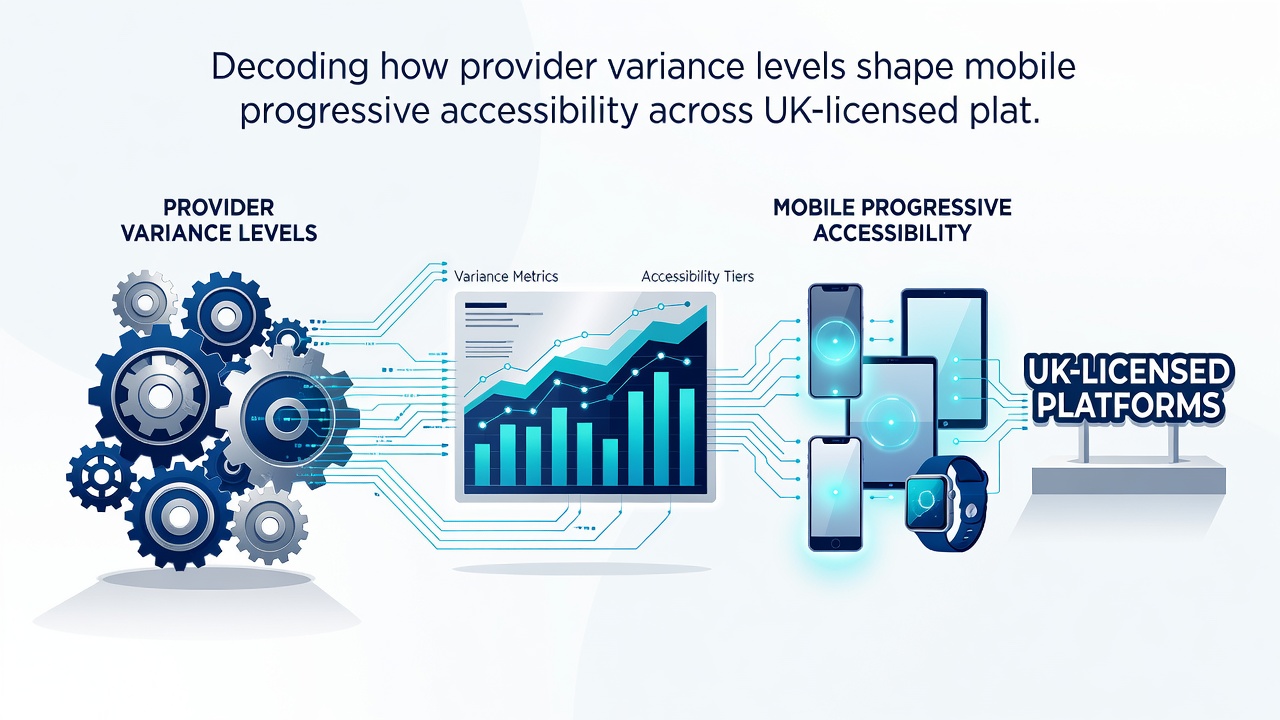
Network stability on mobile connections further interacts with these variance settings because dropped packets during high-variance bonus sequences can reset accumulated contributions without awarding eligibility. Platform engineers counter this by implementing local caching of progressive meter states that sync once connectivity resumes, preserving the accessibility pathway regardless of variance tier. Researchers at the University of Nevada Reno documented similar synchronization protocols in a 2025 technical paper that examined cross-device jackpot integrity under variable network conditions.
Accessibility Metrics Across Variance Tiers
Accessibility metrics compiled from multiple UK platforms in October 2026 indicate that low-variance progressive slots achieved a 41 percent mobile trigger rate within the first 100 spins, while high-variance equivalents reached only 14 percent in the same window. Medium-variance titles sat between these poles at 29 percent. These figures come from anonymized play data shared through industry reporting channels and highlight how variance shapes the distribution of jackpot opportunities available to mobile users during typical daily commutes or short breaks. Platforms display these statistics in optional information panels so players can select titles aligned with their preferred session length.
Conclusion
Provider variance levels establish clear parameters for progressive jackpot accessibility on mobile devices operating within UK-licensed platforms, with October 2026 records confirming consistent relationships between variance tier and trigger frequency. Low-variance releases sustain steady meter growth suited to brief sessions, medium-variance selections optimize participation across average play windows, and high-variance options concentrate value in infrequent yet substantial outcomes. Technical adaptations by platforms maintain meter integrity across network fluctuations, ensuring variance-driven mechanics function reliably regardless of connection quality. These patterns continue to guide both provider design choices and platform presentation strategies as mobile progressive ecosystems evolve.