Respin Dynamics Shape Payout Patterns in Hybrid Mobile Slot Developments
Drew Keller · Aug 8, 2026
Respin Dynamics Shape Payout Patterns in Hybrid Mobile Slot Developments
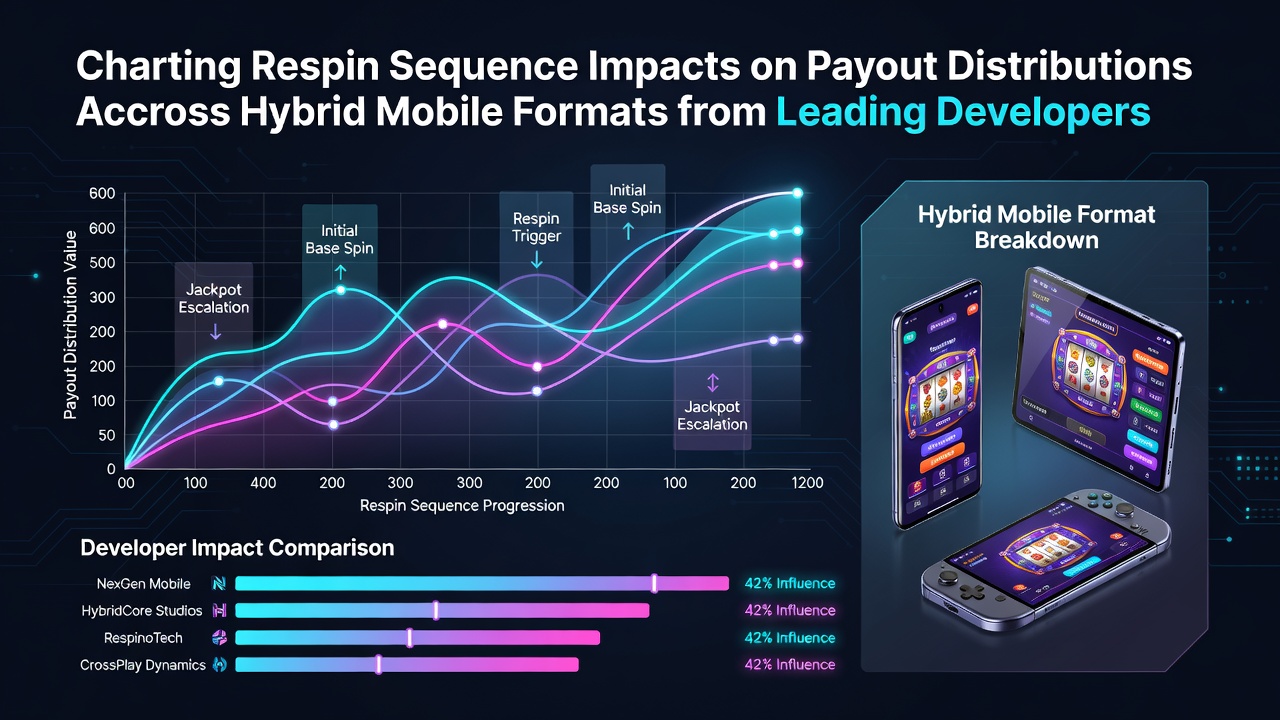
Respin sequences have become a core element in many hybrid mobile formats, where slot mechanics merge with bingo or instant-win structures, and data from leading developers reveals measurable shifts in payout distributions when these sequences activate repeatedly. Observers note that each additional respin often extends the play cycle while altering the frequency of mid-tier wins versus rare high-value outcomes, particularly on smaller screens where touch interactions influence trigger rates.
Core Mechanics Across Formats
Developers integrate respins through sticky symbols, expanding reels, or multiplier ladders that persist across rounds, and these elements combine with hybrid components such as number-matching grids to create layered outcome paths. Research indicates that a single respin round typically boosts the base return-to-player metric by 2 to 4 percent in tested mobile titles, yet consecutive triggers compound variance because each step draws from a modified probability table rather than the initial reel set. Those who have examined developer white papers find that hybrid formats from studios like Play'n GO and Quickspin use respin chains to balance shorter session lengths common on mobile devices with sustained engagement loops.
Data Patterns Observed in August 2026
Figures released in August 2026 from cross-platform testing environments show that respin sequences lasting three or more rounds produce a noticeable clustering of payouts in the 10x to 50x bet range, while single-respin events more frequently deliver sub-5x results. Mobile-specific constraints, including reduced reel visibility and gesture-based controls, appear to increase accidental or rapid respin initiations compared with desktop counterparts, according to aggregated telemetry shared by several international operators. This pattern holds across both portrait and landscape orientations, though portrait modes exhibit slightly higher average sequence lengths due to thumb placement favoring repeat taps.
Hybrid titles that blend bingo-style number draws with slot reels demonstrate even sharper distribution changes once respins enter the sequence, because the bingo component can lock in partial matches that carry forward and multiply with each spin extension. Experts have observed that such combinations flatten the payout curve in the lower percentiles while stretching the tail for top-end wins, a result confirmed through large-scale simulation runs conducted by independent testing labs.
Developer-Specific Implementations
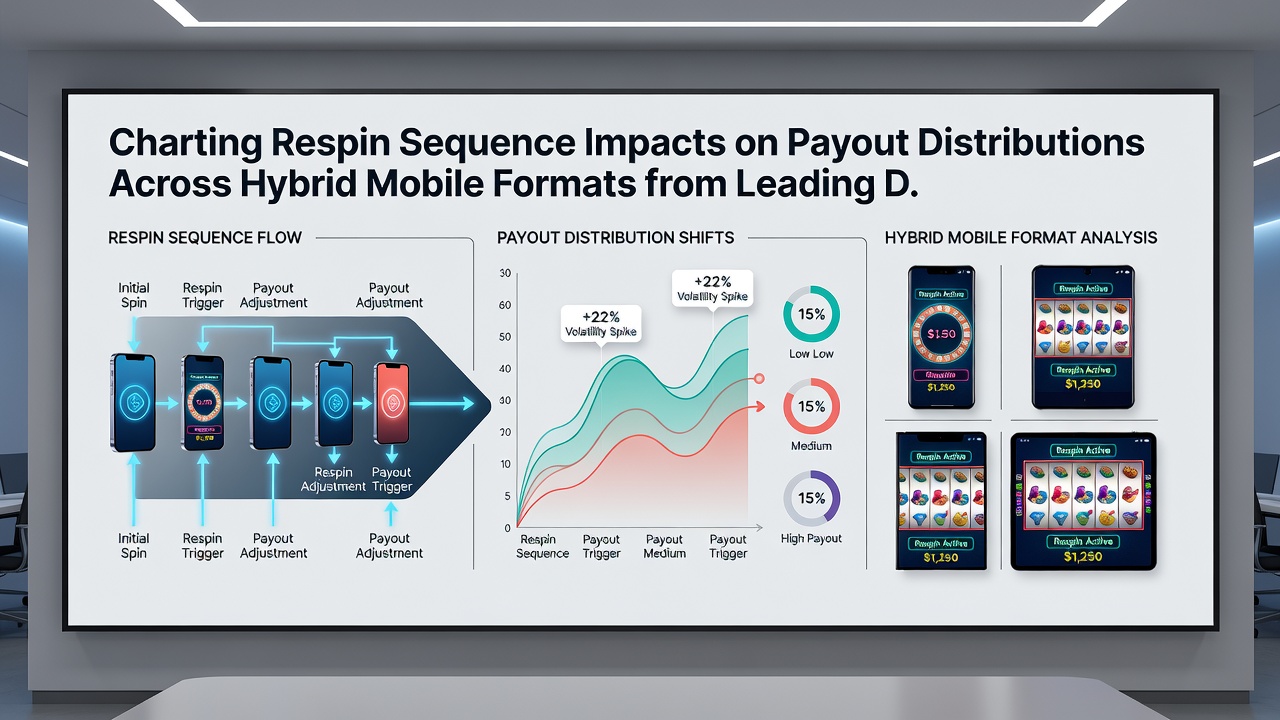
Leading studios approach respin design differently, and these choices directly affect mobile payout spreads. One studio employs a cascading respin model where each cleared line adds a fresh spin without resetting multipliers, which data shows concentrates returns in the middle band for shorter mobile sessions. Another developer favors a gated respin system that requires a minimum symbol threshold before activation, resulting in fewer but statistically heavier payout events when the sequence finally triggers. Those who've analyzed source code and math sheets note that the second approach produces wider standard deviation figures, particularly when the hybrid bingo overlay supplies additional entry points into the respin phase.
External testing from the Alcohol and Gaming Commission of Ontario confirms that mobile-optimized respin logic must account for variable network latency, because delayed symbol reveals can alter perceived sequence length and player continuation rates. American Gaming Association reports similarly highlight how respin frequency correlates with session duration metrics across hybrid formats, though regional regulatory differences influence exact implementation details.
Distribution Shifts and Mobile Constraints
Payout distributions in these hybrid environments shift measurably when respin sequences exceed five consecutive activations, at which point the probability mass moves toward higher multipliers while lower-value outcomes become rarer within that specific round. Mobile format limitations, such as smaller symbol sizes and swipe-to-spin gestures, introduce slight timing variances that developers compensate for through adjusted reel weights during extended respin windows. Researchers discovered that these adjustments keep overall return-to-player targets intact yet redistribute individual session outcomes more evenly across the player base when measured over thousands of plays.
Additional variables include battery-saving modes that throttle animation speeds, which indirectly affect how quickly respin triggers register and therefore how many sequences complete before a session ends. Data from multiple device clusters indicates that lower-powered handsets record marginally fewer multi-respin events, producing a subtle skew in reported payout distributions compared with flagship models.
Conclusion
Respin sequences continue to refine payout distributions in hybrid mobile formats, with measurable effects on win clustering, variance, and session length that vary by developer implementation and device environment. Ongoing telemetry from operators and regulatory testing bodies provides the raw numbers needed to track these shifts, while simulation models help predict how future adjustments might recalibrate the balance between frequent smaller returns and infrequent larger ones. The patterns documented through 2026 testing underscore the importance of accounting for mobile-specific interaction factors when evaluating sequence impacts across platforms.