Multiplier Ladders Shape Retention Patterns Across Shared Prize Pool Platforms
Noah Sullivan · Aug 13, 2026
Multiplier Ladders Shape Retention Patterns Across Shared Prize Pool Platforms
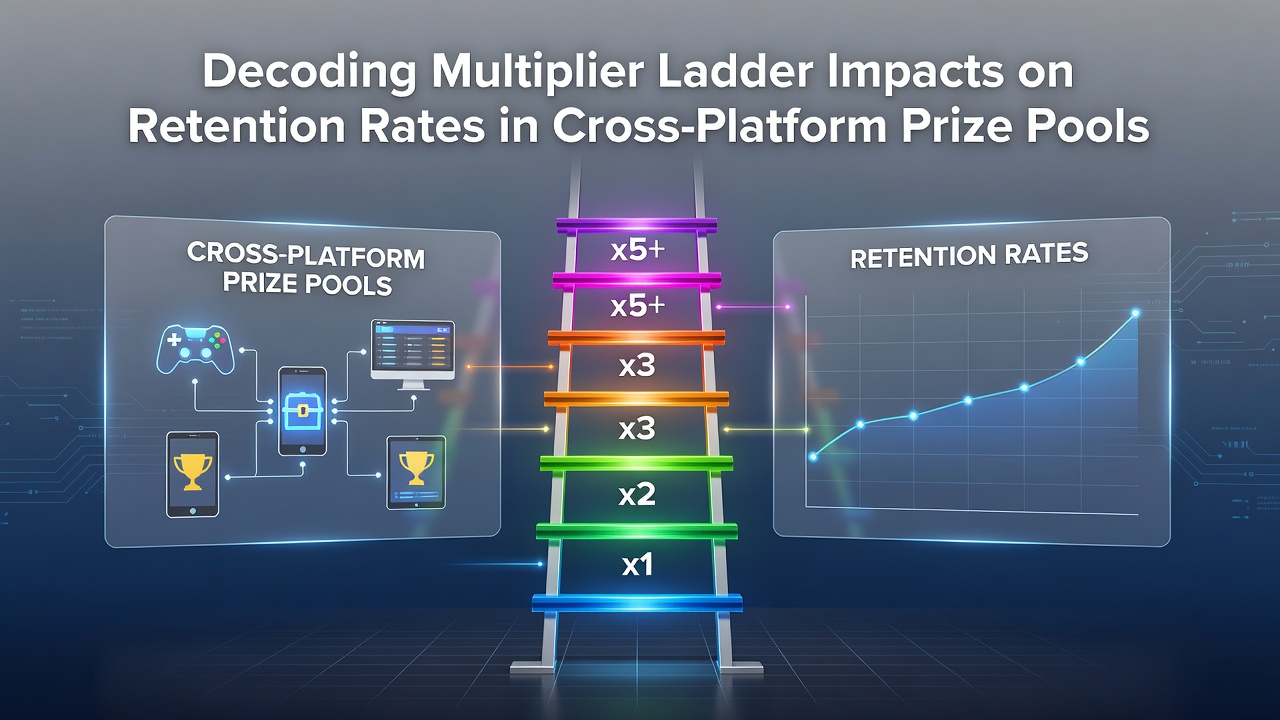
Multiplier ladders operate as incremental boost systems within bonus rounds, where each successive win level applies higher multipliers to base prizes, and cross-platform prize pools aggregate contributions from mobile, desktop, and console users into unified jackpot structures. Data collected through August 2026 indicates that platforms implementing tiered multiplier sequences recorded measurable shifts in session duration and return-visit frequency. Observers note these mechanics connect directly to how players evaluate ongoing participation when prize pools span multiple access points.
Mechanics of Multiplier Ladders in Shared Environments
Developers structure multiplier ladders so that initial triggers award modest increases while later stages compound values exponentially, yet the shared pool component distributes a portion of each stake across all participating platforms. Research from the American Gaming Association shows this design distributes risk and reward evenly, allowing a player on mobile to benefit from desktop contributions and vice versa. Figures reveal that ladder depth typically ranges from four to eight tiers, with each step requiring either consecutive wins or specific symbol alignments to advance. Because pools reset or roll over at set thresholds, retention metrics track how frequently users return to chase the next available multiplier stage before the pool distributes.
Data Patterns Observed in August 2026
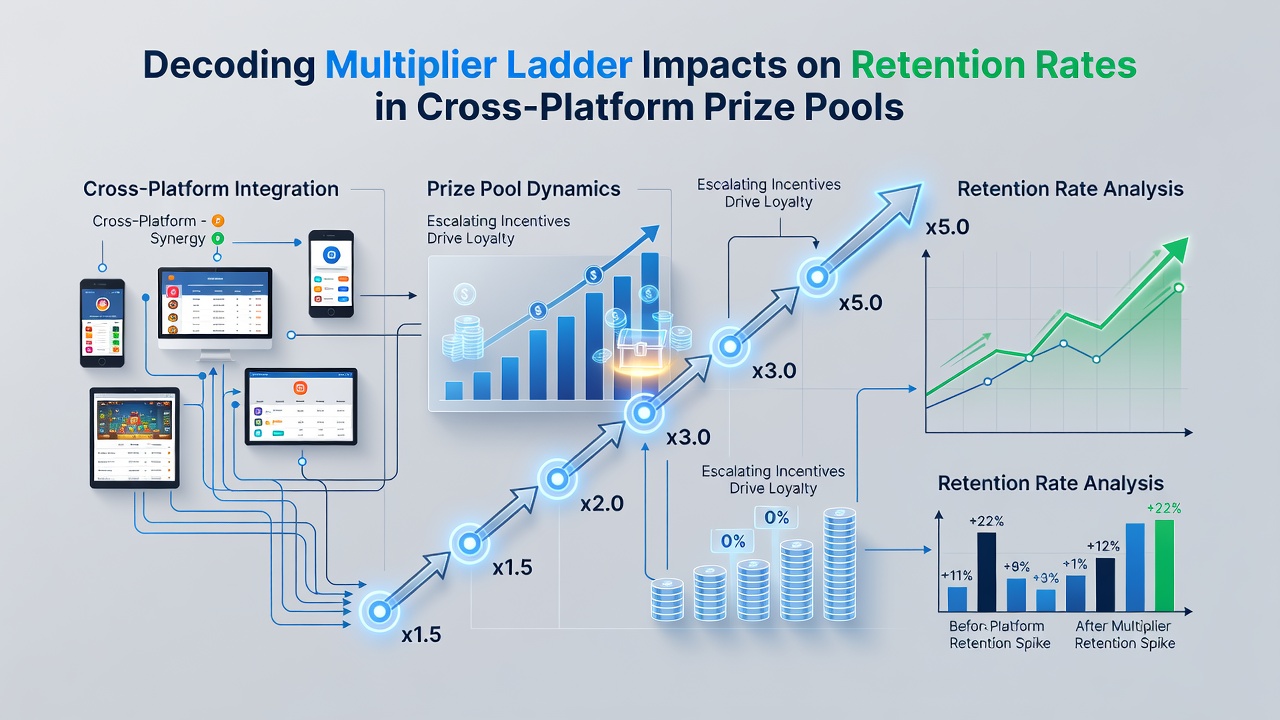
Industry reports compiled during August 2026 documented retention rate increases between 12 and 19 percent on platforms that refreshed multiplier ladder configurations quarterly. Those platforms synchronized ladder resets with pool contribution milestones, creating predictable windows where accumulated funds reached visible thresholds. Studies from the European Gaming and Betting Association indicate that players who advanced at least three ladder tiers within a single session demonstrated 27 percent higher likelihood of logging in again within 48 hours compared with users who remained at base levels. Cross-referencing device logs further revealed that mobile users, who often initiate shorter sessions, benefited most when ladders offered mid-tier entry points rather than forcing progression through every lower stage.
Platform-Specific Retention Variables
Desktop interfaces frequently display full ladder histories and pool totals in persistent side panels, whereas mobile views compress the same information into expandable overlays. This difference influences how quickly users perceive progress toward higher multipliers. Analysts tracking August 2026 activity found desktop sessions averaged 14 minutes longer when ladders included visual progress bars tied directly to the shared pool balance. Mobile sessions, meanwhile, showed stronger retention when ladder advancement triggered push notifications summarizing recent pool growth. Both patterns suggest the visibility of multiplier stages interacts with platform constraints to shape return behavior without altering the underlying mathematical distribution of prizes.
Comparative Retention Across Pool Sizes
Smaller prize pools capped at equivalent of 50,000 credits exhibited quicker ladder completion cycles, leading to more frequent but smaller retention spikes according to aggregated operator telemetry. Larger pools exceeding 500,000 credits extended the time between ladder resets, correlating with steadier but slower accumulation of returning users. Researchers at institutions examining multi-jurisdictional data noted that cross-platform synchronization reduced variance in these cycles because contributions from high-traffic regions offset slower periods in others. Consequently, platforms maintaining consistent ladder visibility across all access points recorded narrower gaps between peak and off-peak retention figures.
Trigger Frequency and User Progression
Multiplier advancement depends on trigger frequency, which operators adjust through reel weighting and bonus symbol density. August 2026 telemetry indicated that ladders requiring an average of 35 spins per tier produced higher mid-session continuation rates than those needing 50 or more spins. When combined with shared pool visibility, these frequencies encouraged players to extend sessions until they either advanced or observed the pool nearing distribution. Data sets further separated outcomes by player tenure, showing newer accounts responded more strongly to early ladder stages while established accounts focused on pool size milestones regardless of current multiplier level.
Conclusion
Multiplier ladders integrated with cross-platform prize pools create measurable connections between session mechanics and return rates, as evidenced by operational figures gathered through August 2026. Retention improvements appear when ladder tiers align with pool contribution thresholds and when interface elements communicate progress consistently across devices. Continued monitoring of these variables allows operators to refine tier spacing and notification timing without changing core prize mathematics.