Mapping Player Choices Within Adaptive Bonus Frameworks on Digital Reel Systems
Drew Keller · Aug 25, 2026
Mapping Player Choices Within Adaptive Bonus Frameworks on Digital Reel Systems
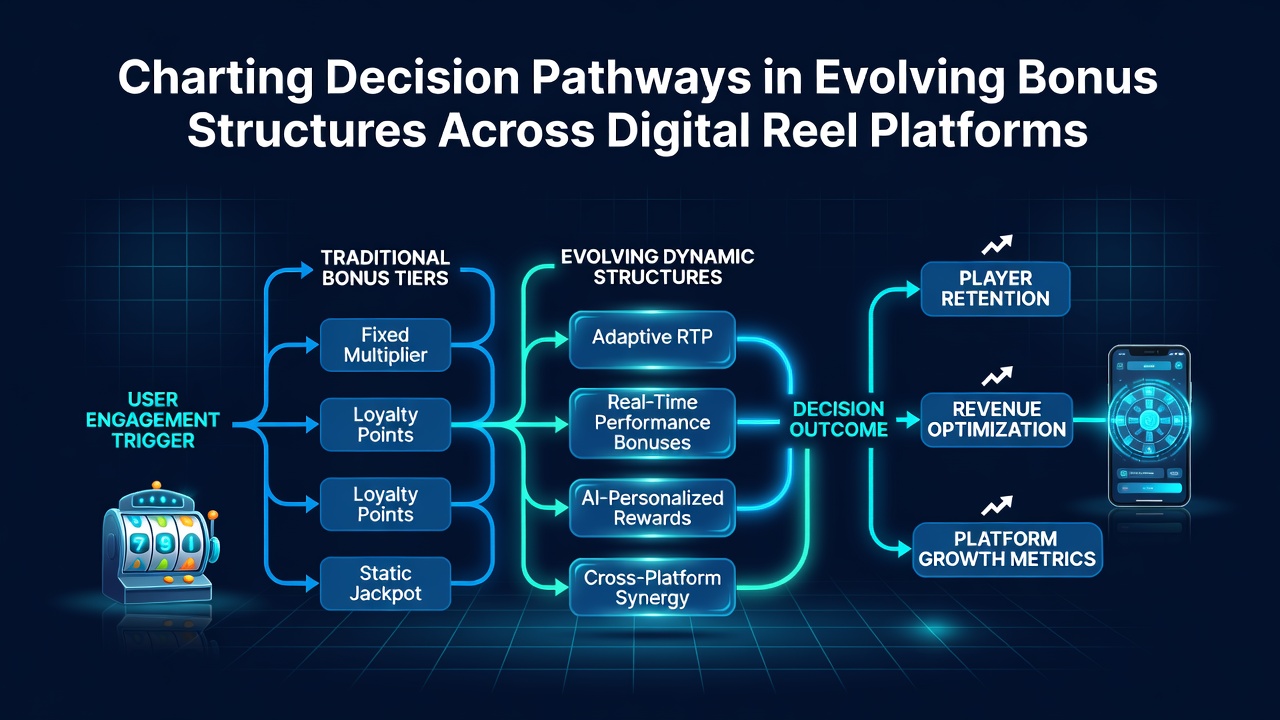
Digital reel platforms continue to integrate layered bonus systems that present players with multiple decision points at key moments during gameplay, and these structures have gained complexity through 2026 as developers refine mechanics to balance risk and reward. Observers note that such frameworks often require selections between multiplier paths, additional spin options, or feature upgrades, each carrying distinct probability outcomes documented in game design reports. Data from industry analyses indicate that platforms in regions including North America and parts of Europe have expanded these elements since early 2025, with August 2026 marking further refinements in how pathways connect base game spins to enhanced reward tiers.
Core Mechanics Behind Decision-Based Bonuses
Developers design bonus rounds where players select from visual elements such as treasure chests or symbol clusters, and each choice leads to a separate calculation branch that affects final payouts according to predefined algorithms. Studies from gaming research institutions show these branches rely on weighted random number generators that assign varying return-to-player percentages across options, allowing platforms to maintain regulatory compliance while introducing strategic depth. One case examined by analysts at a Canadian research center revealed that certain titles offered three distinct paths in a single bonus, with the highest-risk route delivering potential multipliers up to 25 times the initial stake in documented simulations.
Transitions between decisions often incorporate cascading effects, where an initial selection modifies available subsequent choices, and this layering has become standard across many providers by mid-2026. Figures from operator data pools reveal increased player engagement metrics when pathways include both immediate rewards and deferred high-value outcomes, though exact percentages vary by jurisdiction and title.
Regional Variations in Pathway Implementation
Platforms operating under different regulatory environments display noticeable differences in how decision structures appear, with North American markets favoring clearer visual indicators for each option while European operators sometimes embed subtler cues within the interface. A report issued by the Australian Communications and Media Authority highlighted similar patterns in licensed digital gaming environments, noting that transparency requirements influence the presentation of probability information at each decision node. These variations stem from local rules on feature disclosure rather than uniform global standards, and developers adjust designs accordingly to meet multiple compliance frameworks simultaneously.
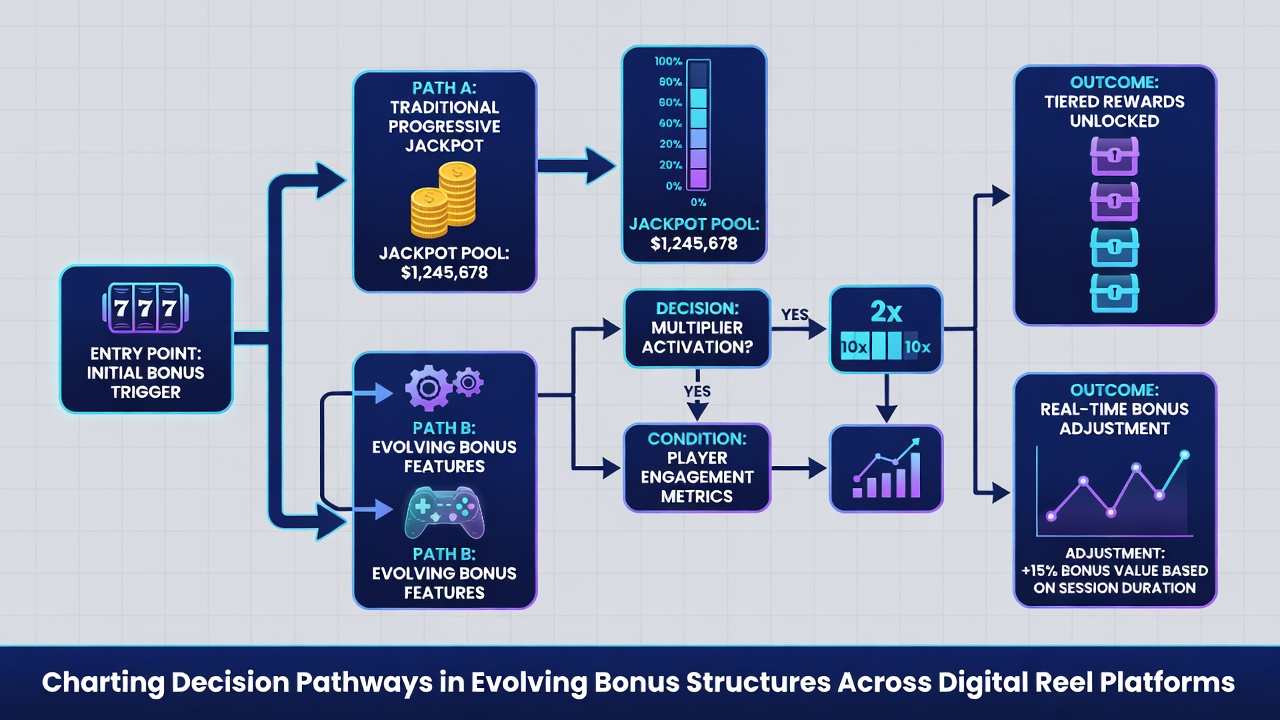
August 2026 saw several studios release updates that expanded mobile compatibility for these choice systems, allowing seamless pathway navigation on smaller screens without altering core probability models. Industry organizations tracking adoption rates report that hybrid reel formats incorporating bingo-style elements have begun testing decision pathways as well, creating crossover mechanics that blend selection trees with traditional reel spins.
Statistical Patterns in Player Pathway Selection
Research indicates that players frequently gravitate toward mid-tier options when presented with three or more branches, and this behavior aligns with broader findings from behavioral studies on risk assessment in gaming environments. Data compiled by academic teams at European universities demonstrate that repeated exposure to the same bonus structure leads to more consistent selection patterns over time, suggesting learned optimization rather than random choices. Yet platform logs also capture instances where high-volatility paths attract spikes in selections during promotional periods, shifting average payout distributions for those sessions.
Connections between base game features and bonus entries further complicate these maps, since certain symbols or combinations unlock additional decision layers not available in standard rounds. Observers tracking software updates through 2026 have documented cases where providers introduced conditional branches that activate only after specific prior outcomes, extending the overall decision sequence across multiple spins.
Technical Evolution of Bonus Architectures
Behind the visible selections lie backend systems that recalculate odds in real time based on accumulated game state, and this dynamic adjustment has grown more sophisticated with advances in server-side processing. Reports from trade associations in the gaming sector confirm that testing protocols now include extensive pathway simulations to verify fairness across all branches before release. Such measures ensure that each decision point maintains independent integrity while contributing to the game's overall mathematical model.
Integration with progressive elements appears in some titles, where pathway choices can influence eligibility for larger shared pools, and these connections have expanded in recent platform iterations. Analysts reviewing release schedules note that August 2026 updates emphasized clearer visual feedback during transitions, helping players track how earlier selections shape later possibilities without revealing exact probabilities.
Conclusion
Decision pathways in evolving bonus structures continue to shape interactions across digital reel platforms through interconnected mechanics that balance player agency with algorithmic precision. Evidence from regulatory filings, academic inquiries, and operational data pools shows steady refinement of these systems, with regional adaptations and technical upgrades sustaining their presence in 2026 lineups. Further developments will likely build on existing frameworks while maintaining compliance across varied jurisdictions.