Independent Studios Shape Variance Patterns in Hybrid Reel Innovations
Petra Klein · Aug 15, 2026
Independent Studios Shape Variance Patterns in Hybrid Reel Innovations
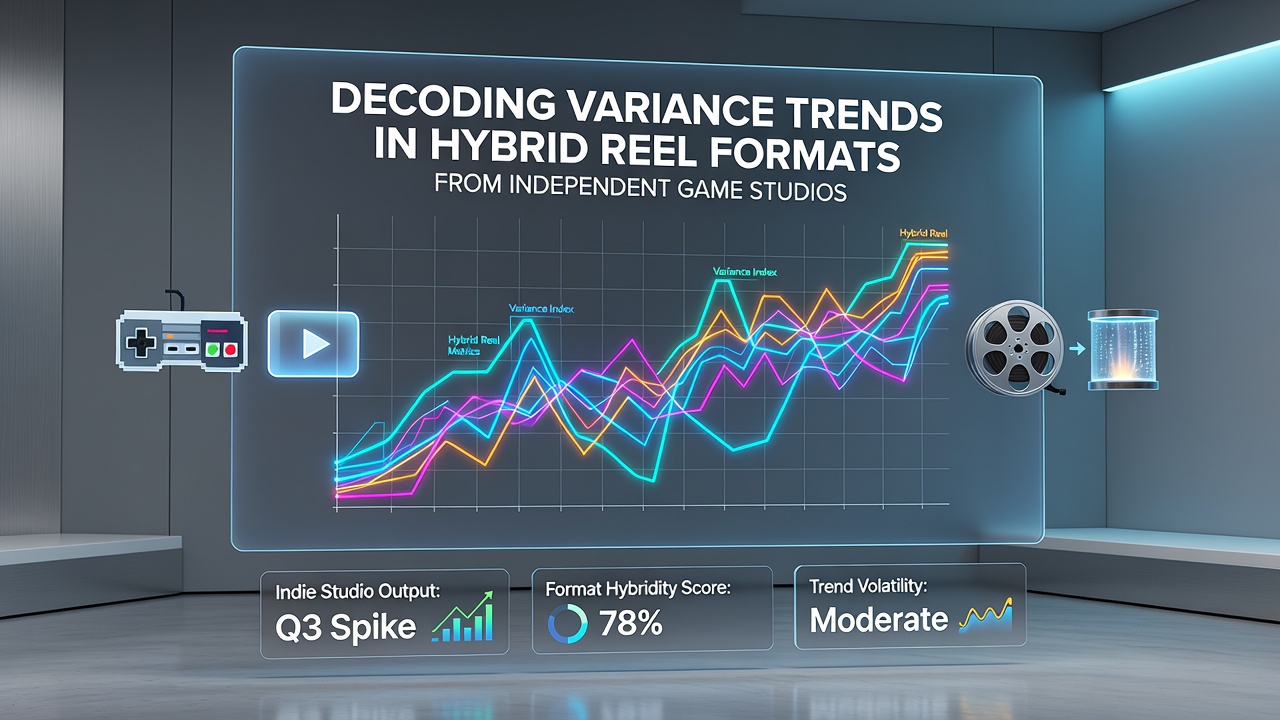
Hybrid reel formats blend traditional slot mechanics with elements drawn from bingo, puzzle grids, and cluster pays, and independent game studios have accelerated development of these systems throughout 2026. Data collected from studio releases indicates shifting variance distributions as developers adjust reel structures, symbol weights, and bonus multipliers to target different player segments. Researchers tracking these changes note that variance calculations now incorporate cross-mechanic interactions rather than isolated reel spins alone.
Core Components of Hybrid Reel Variance
Variance in hybrid formats measures the spread between frequent small outcomes and infrequent large payouts, yet the integration of multiple game layers alters standard deviation formulas. Independent studios apply modified algorithms that factor in bingo ball drops or puzzle completions alongside reel stops, and this produces volatility profiles distinct from pure slot titles. Figures released in August 2026 from several development pipelines reveal that studios now publish expected variance ranges based on simulated play sessions exceeding one million rounds.
Those who analyze payout distributions observe that low-variance hybrids favor steady accumulation through layered mini-features, whereas high-variance versions concentrate potential in combined reel and grid events. Evidence from studio white papers shows symbol weighting adjustments occur more frequently in hybrid builds because each additional mechanic layer multiplies outcome possibilities.
Recent Data Patterns from Independent Releases
August 2026 saw multiple independent studios publish variance reports alongside new titles, and these documents highlight a move toward medium-high variance hybrids rather than extreme ends of the spectrum. Aggregated statistics indicate average hit frequencies sit between 22 and 34 percent across tested formats, with bonus round contributions accounting for 45 to 60 percent of total return. Observers tracking these metrics note that independent developers often release variance calculators or simulation tools directly to operators, allowing real-time monitoring of session outcomes.
One study compiled by an academic gaming research group in Canada examined 14 hybrid titles released between January and July 2026 and found that variance coefficients increased by an average of 18 percent when puzzle elements were added to base reels. The same analysis linked higher multiplier caps to wider payout spreads, confirming that design choices in one mechanic directly influence overall volatility.
Studio Approaches to Balancing Mechanics
Independent teams frequently iterate on reel and grid interactions through internal testing cycles that last several weeks. Developers adjust reel strip lengths, feature trigger thresholds, and progressive elements until simulated distributions match intended variance targets. Reports from industry conferences indicate that studios now share anonymized session data with testing laboratories to validate these models before commercial launch.
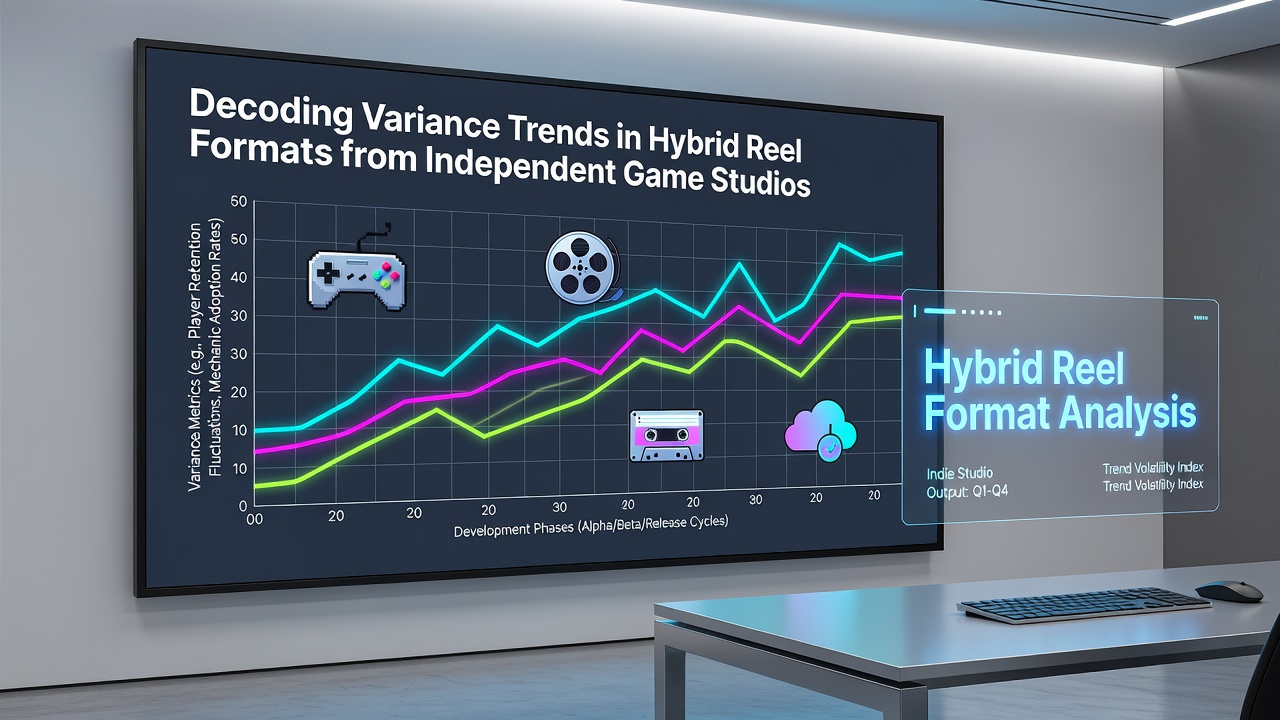
Examples include titles that merge cascading reels with bingo card completions, where variance rises when cascades extend into card-filling sequences. Data from one Australian regulatory submission showed that such combined events produced payout clusters separated by longer dry spells compared with standalone reel games. Studios respond by fine-tuning the probability of cascade extensions to keep session lengths within operator-specified ranges.
Regulatory and Laboratory Verification Trends
Testing laboratories apply updated certification standards that require explicit variance disclosure for any hybrid component, and submissions from independent studios have increased since early 2026. According to figures from the New Jersey Division of Gaming Enforcement, hybrid format approvals rose 27 percent year-over-year through the first half of 2026, with variance documentation forming a larger portion of each submission package. Laboratories verify these claims through independent simulation runs that replicate millions of spins across combined mechanics.
Research institutions have begun publishing comparative studies that group hybrids by variance tier, and these papers provide operators with benchmarks for game selection. One such report from a European gaming research network compared 22 independent hybrids and documented consistent patterns where medium variance titles maintained steadier revenue curves across operator portfolios.
Conclusion
Independent game studios continue refining variance models for hybrid reel formats through expanded simulation datasets and cross-mechanic testing protocols. Available statistics from August 2026 demonstrate measurable shifts in distribution profiles as developers integrate additional layers such as bingo or puzzle elements. Laboratory verification and academic analyses supply operators with concrete benchmarks, allowing selection of titles whose volatility aligns with specific market requirements. These ongoing refinements reflect systematic adjustments rather than isolated experiments, supported by growing volumes of shared performance data across the sector.