Hybrid Slot Designs: Merging Classic Reels with Alternative Mechanics for Expanded Payout Routes
Noah Sullivan · Aug 11, 2026
Hybrid Slot Designs: Merging Classic Reels with Alternative Mechanics for Expanded Payout Routes
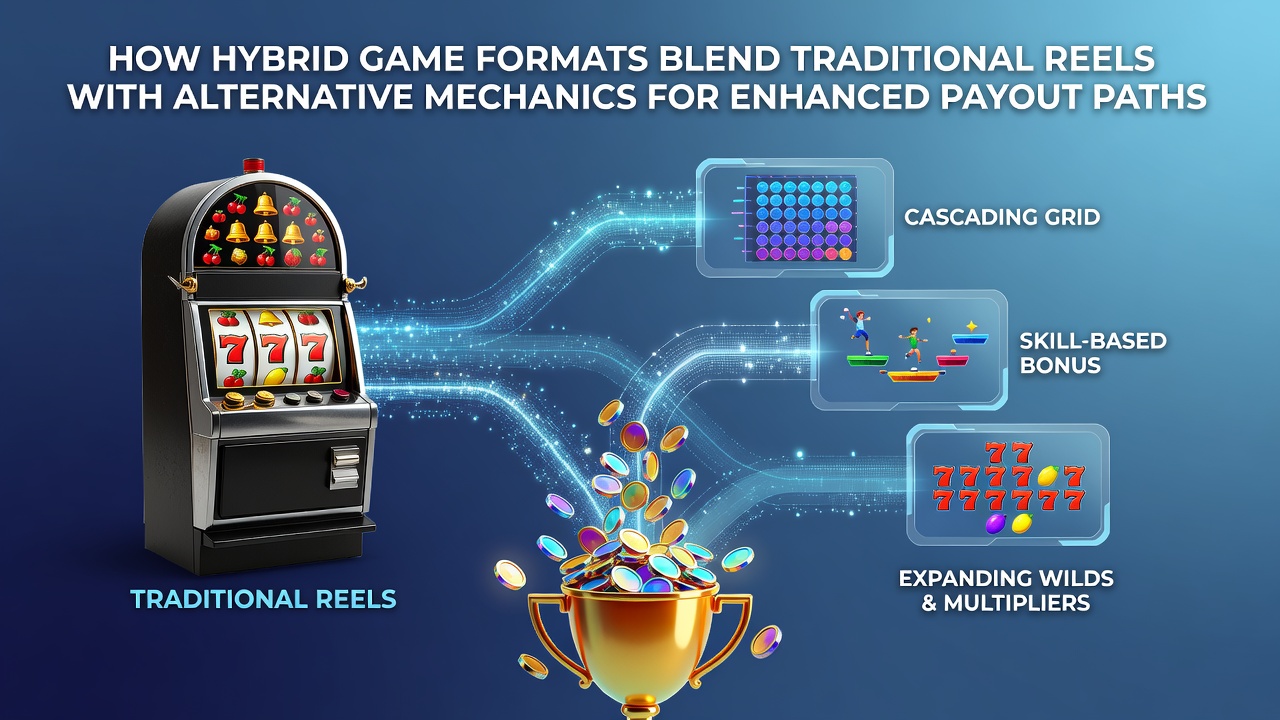
Hybrid game formats combine standard reel structures with elements drawn from bingo, poker, or cluster systems, and data from multiple markets shows these combinations create additional payout pathways during regular play and feature rounds alike. In August 2026 several studios released titles that layer payline reels with grid-based matching, allowing wins to form through both vertical columns and adjacent symbol groups without requiring exact line alignment.
Core Components of Hybrid Reel Systems
Traditional reels operate on fixed positions that spin independently, yet when paired with alternative mechanics the same symbols can trigger secondary events such as bingo card fills or poker hand evaluations. Observers note that this layering occurs through shared symbol sets where a single spin populates both the reel grid and an auxiliary board, and industry reports indicate the dual activation increases the number of possible winning combinations per round.
Mechanics often include cluster pays that activate alongside line pays, while respin triggers tied to specific reel stops feed into bingo number draws. Those who have examined payout tables across multiple providers find that hybrid titles allocate separate RTP segments to each mechanic, ensuring the reel component maintains its base percentage while teh added layer contributes incremental return through its own probability model.
Regional Data on Hybrid Adoption
Figures released by the Nevada Gaming Control Board in early 2026 recorded a measurable uptick in hybrid titles across licensed online platforms, with operators reporting that games featuring reel-plus-cluster structures accounted for higher average session lengths compared with pure reel products. Similar patterns appear in reports from the Malta Gaming Authority, where aggregate player data showed hybrid formats generating more frequent small wins that accumulate through the secondary mechanic.
Academic researchers at the University of Nevada, Las Vegas, published findings in mid-2026 that analyzed symbol distribution across hybrid grids, revealing that the integration of alternative matching rules reduces the frequency of zero-win spins while preserving the overall volatility profile of the underlying reels. The study examined thousands of game rounds and documented how shared random number generators feed both the reel engine and the auxiliary feature without introducing bias.
Technical Implementation Across Providers
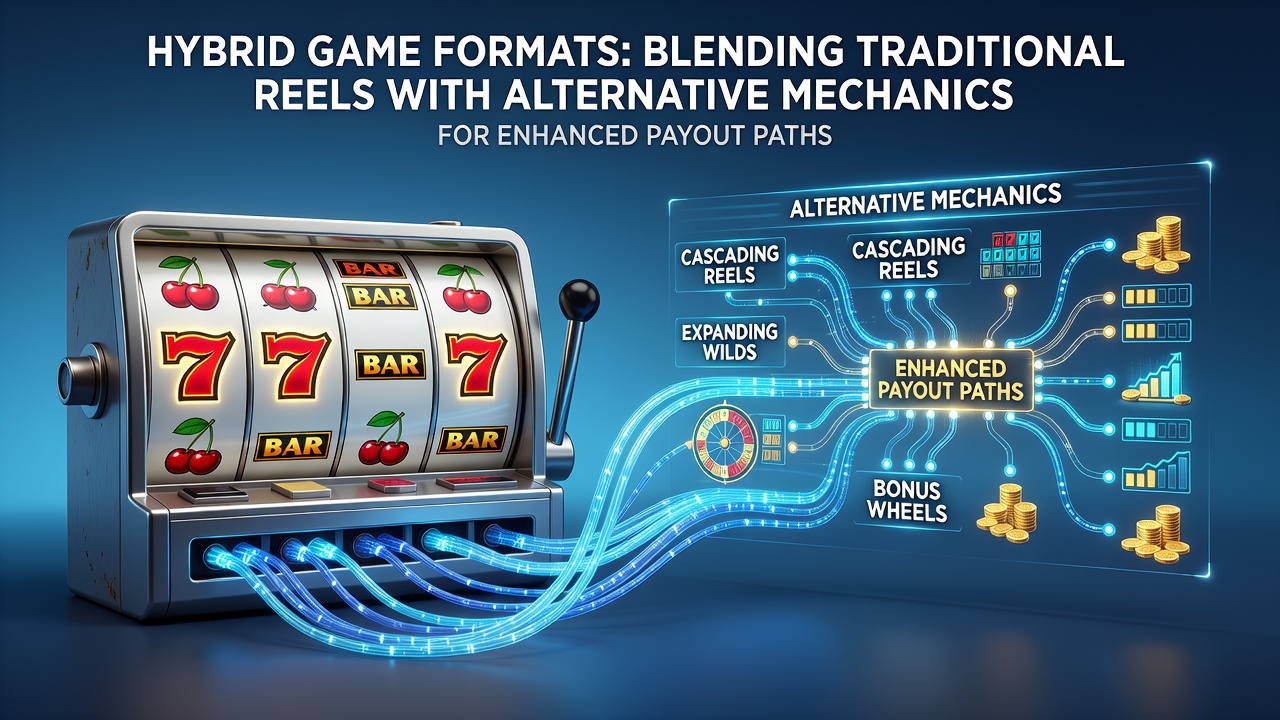
Developers achieve the blend by mapping reel outcomes to secondary boards through predefined lookup tables, and when a reel stop satisfies a bingo pattern or poker rank the system awards the corresponding payout in addition to any line wins. This approach keeps the visual experience centered on spinning reels while the alternative mechanic operates in a dedicated panel or overlay, and testing logs from several studios confirm that the combined calculation completes within standard regulatory time limits for result display.
Payline structures remain intact in most hybrids, yet symbols that land outside traditional lines can still contribute to cluster or bingo wins, expanding the effective payout paths without altering the core reel math. Data compiled by the Canadian Gaming Association indicates that titles released in 2025 and 2026 using this dual-path model maintained RTP values within accepted ranges while delivering higher hit frequencies, a pattern consistent across multiple jurisdictions.
Player Interaction Patterns in Hybrid Environments
Session tracking across platforms shows that participants engage with both the reel and alternative components simultaneously, often monitoring the secondary board for near-miss patterns that influence decisions on optional features such as gamble ladders or buy-in rounds. Because the alternative mechanic runs in parallel, a single spin can produce multiple distinct payout events, and aggregate figures from European operators confirm that these combined outcomes occur at rates higher than those observed in single-mechanic games.
Regulatory filings in Australia further document that hybrid formats undergo separate testing for each component, with independent certification bodies verifying that reel randomness and auxiliary board randomness meet required standards before market release. This dual certification process ensures transparency in how payout paths are calculated and reported to players.
Conclusion
Hybrid formats continue to evolve by integrating established reel frameworks with complementary mechanics, and available data from regulatory bodies and research institutions demonstrate measurable effects on payout frequency and session metrics. As new titles enter markets through 2026, the structural combination of traditional and alternative elements provides additional routes for symbol-based rewards while preserving the foundational reel experience.