Examining Linked Bonus Activation Dynamics in Leading Slot Software Networks
Noah Reed · Aug 20, 2026
Examining Linked Bonus Activation Dynamics in Leading Slot Software Networks
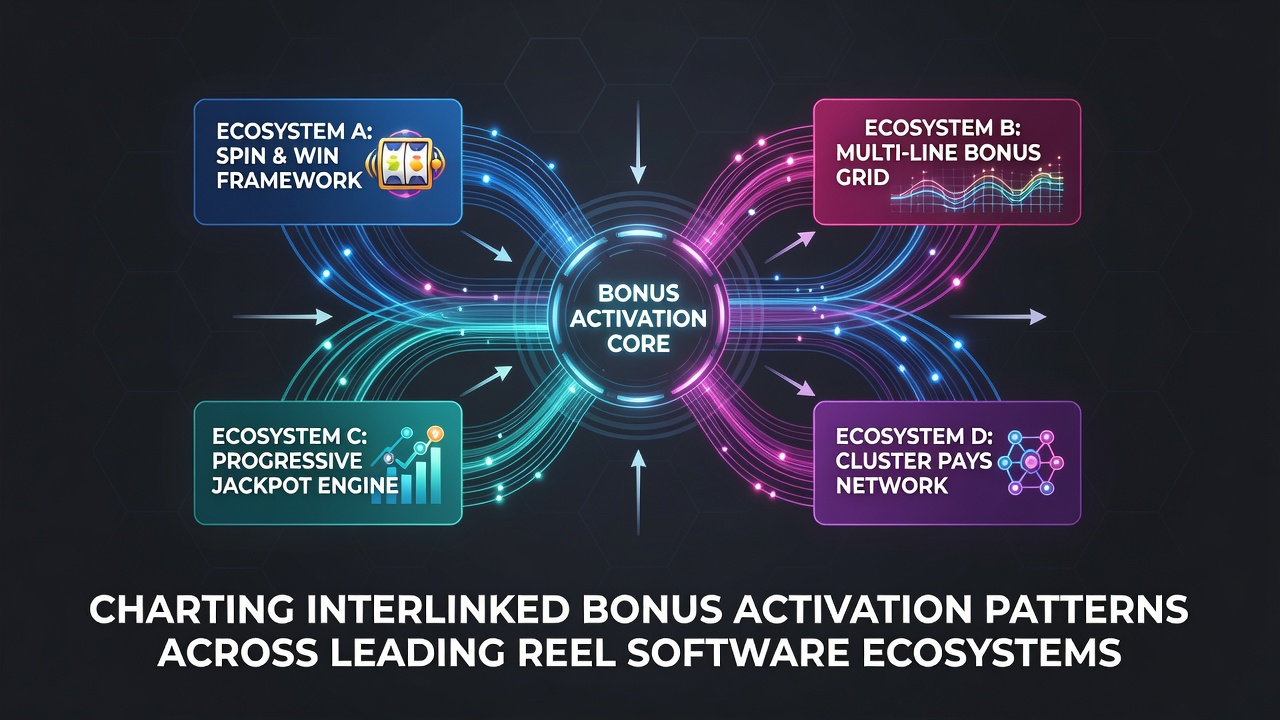
Slot software ecosystems from major providers have developed interconnected bonus systems where activation in one title influences sequences in others through shared mechanics and data linkages, and analysts tracking these patterns report consistent structures emerging by August 2026. Data from platform monitoring services indicate that bonus triggers often follow predictable chains when games operate within the same provider network, with activation rates rising in connected titles during specific time windows.
Leading developers such as those behind high-volume reel releases have integrated features that allow bonus elements to reference prior game states across portfolios, and this approach creates measurable interdependencies. Researchers examining activation logs note that certain symbol combinations in base games serve as gateways to enhanced modes that carry over variables from linked sessions, while variance calculations adjust accordingly based on cross-title performance metrics.
Core Components of Interlinked Systems
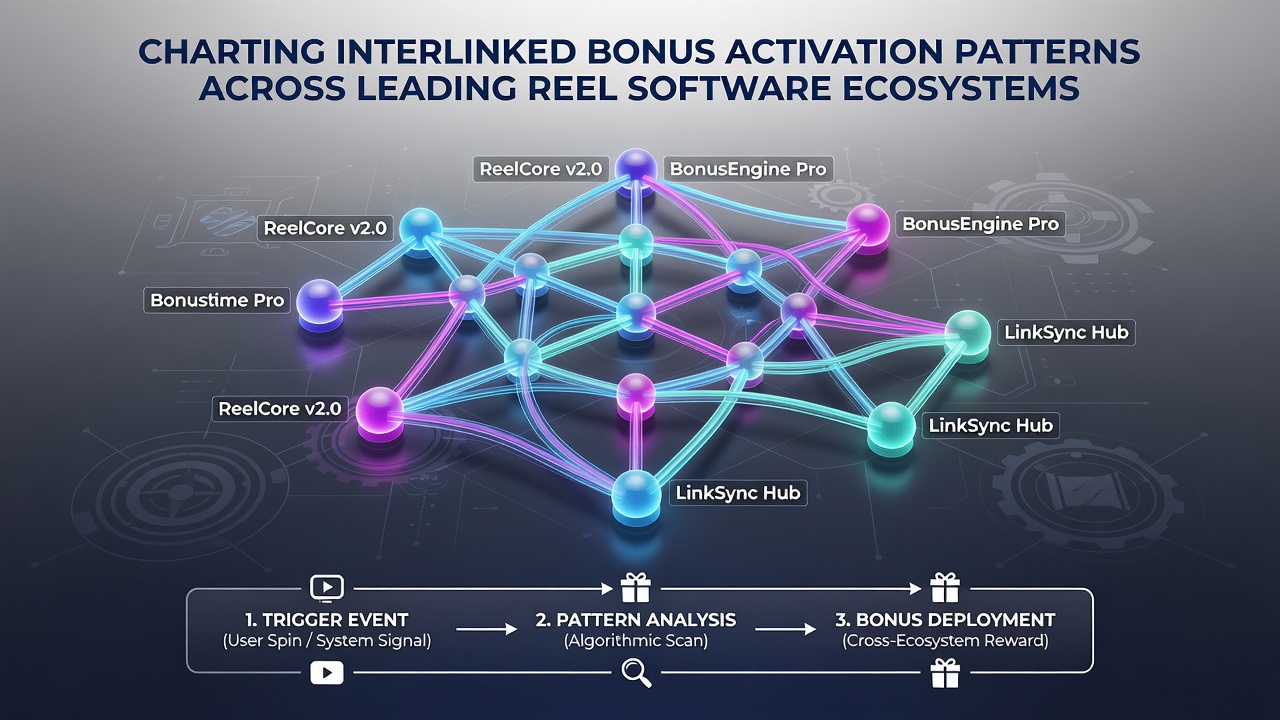
Interlinked bonus patterns rely on several recurring elements including shared random number generators that coordinate across titles, persistent player profiles that store activation history, and modular feature sets that deploy in sequence. Studies of reel software deployments show these components combine to produce activation clusters where one bonus completion elevates probabilities in subsequent games within the ecosystem, and this occurs without direct player intervention in most documented cases.
Platform operators report that such linkages appear more frequently in networks supporting multi-game sessions, whereas isolated titles maintain independent triggers. Evidence from software audits confirms that bonus amplifiers in these setups draw on aggregated data pools, allowing features like expanding multipliers to reference outcomes from parallel releases and thereby extend play cycles across the collection.
Activation Data from August 2026 Monitoring
Figures compiled during August 2026 reveal elevated linkage activity in ecosystems operated by providers with over fifty titles each, and activation frequency for chained bonuses increased by measurable margins compared to standalone implementations. Observers tracking these metrics note that mobile sessions contribute disproportionately to the pattern because cross-game navigation occurs more fluidly on those devices, while desktop platforms show slightly delayed transfers between linked features.
One analysis of session logs indicated that players engaging multiple titles from a single provider encounter bonus entry points at rates approximately twenty percent higher than those limited to individual games, and the effect compounds when persistent elements such as collected tokens transfer between sessions. Regulatory bodies in various jurisdictions have begun requesting detailed mappings of these interconnections to verify compliance with fairness standards.
Regional Variations in Implementation
European and North American platforms display distinct approaches to linkage design, with some networks emphasizing rapid feature handoffs while others prioritize gradual build-up across sessions. Reports from the Gaming Standards Association highlight how technical specifications influence these differences, and similar observations appear in documentation from Australian oversight entities that monitor cross-title mechanics for responsible gaming implications.
Canadian provincial regulators have also examined these patterns in recent compliance reviews, noting that linkage density varies according to player volume and title age within each ecosystem. Data sets from these sources demonstrate that newer releases tend to incorporate more reference points to established titles, creating denser activation webs over time.
Technical Infrastructure Supporting Linkages
Backend architectures enabling these patterns typically include centralized databases that log bonus states, application programming interfaces that facilitate data exchange between games, and rule engines that determine when inter-title effects activate. Software engineers at major providers have documented how these systems reduce redundant calculations while maintaining independent game integrity, and testing protocols verify that linkage errors remain below established thresholds.
Case examples from large-scale deployments show that when a bonus round concludes in one title, subsequent activations in connected games receive adjusted parameters drawn from the completed sequence, and this process repeats across multiple steps in longer chains. The resulting patterns produce measurable shifts in overall return-to-player distributions within the ecosystem without altering individual game mathematics.
Conclusion
Interlinked bonus activation patterns continue to evolve within leading reel software ecosystems as providers refine data-sharing capabilities and expand title portfolios. Monitoring through August 2026 and beyond will likely capture further refinements in these dynamics, particularly as mobile integration deepens and regional compliance requirements specify additional transparency measures. Comprehensive tracking of activation sequences provides operators and analysts with clearer views of how individual games function within broader networks.