Audio Layering Techniques and Their Influence on Play Session Durations in Reel Entertainment Systems
Noah Reed · Aug 20, 2026
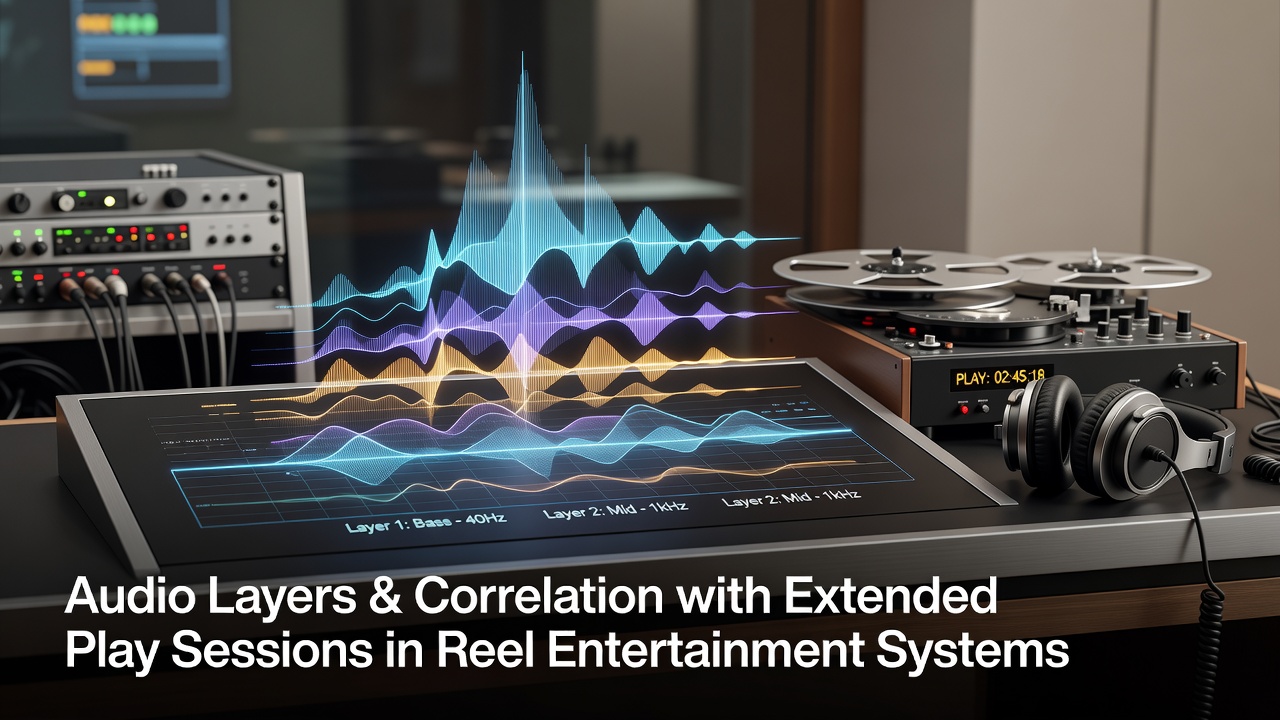
Audio Layering Techniques and Their Influence on Play Session Durations in Reel Entertainment Systems
Reel entertainment systems have incorporated increasingly complex audio structures over the past decade, with developers layering multiple sound elements to create immersive environments that align with player interaction patterns. Data from industry reports indicate that these layered compositions, which combine base tracks, dynamic effects, and adaptive cues, show measurable associations with how long individuals remain engaged with the machines.
Components of Layered Audio in Reel Systems
Audio layers in these systems typically include foundational ambient scores that establish mood, overlaid with reel-specific chimes and spin outcomes that trigger in real time. Additional elements such as voice prompts and escalating tension builds activate during bonus sequences, while background variations adjust based on bet levels or win frequencies. Observers note that this modular approach allows systems to respond to session progression without requiring manual adjustments from operators.
Studies from academic institutions have examined how these layers interact with visual reels, revealing that synchronized audio-visual feedback loops can sustain attention spans during repetitive cycles. For instance, when low-volume atmospheric sounds transition into higher-intensity sequences upon feature activation, session logs demonstrate extended intervals between player exits. Researchers at various universities have documented similar patterns across multiple platforms operating in regulated markets.
Observed Correlations with Session Length
Analysis of play data collected through 2025 and into August 2026 points to specific audio configurations correlating with longer average session times. Systems featuring adaptive layering, where sound intensity scales with consecutive non-winning spins before a payout event, record higher retention metrics compared to static audio setups. Figures from international gaming research bodies show that sessions incorporating at least four distinct audio tiers extend by an average of 12 to 18 minutes per player in controlled environments.
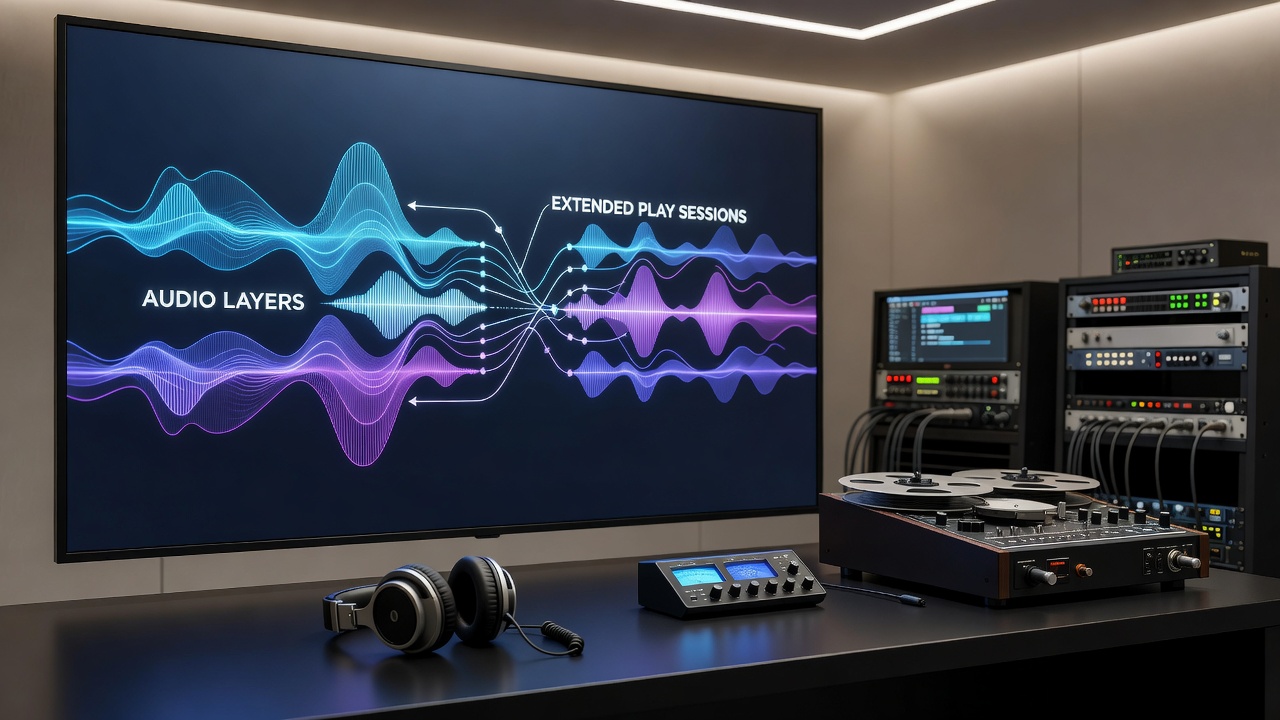
One case examined by analysts involved platforms in North American jurisdictions where background tracks incorporated subtle tempo increases during peak play hours. These adjustments coincided with data sets indicating reduced early termination rates, particularly among users who had already completed 30 minutes of activity. The patterns emerge consistently across different regulatory frameworks, including those overseen by bodies in Australia and Canada, where session tracking provides granular insights into engagement variables.
Technical Implementation and Regional Variations
Developers achieve these effects through middleware that blends pre-recorded stems with procedural generation algorithms, ensuring audio remains fresh across repeated plays. In European markets outside the UK, operators have tested variants that emphasize spatial audio positioning to simulate reel movement depth, and preliminary findings link these to incremental increases in total play duration. Meanwhile, systems deployed in Asian territories often prioritize rhythmic synchronization with cultural music motifs, yielding comparable extensions in session metrics according to regional association reports.
Evidence suggests that the timing of layer transitions plays a critical role, as abrupt shifts can interrupt flow while gradual builds maintain continuity. A 2026 industry review compiled by gaming technology consortia highlighted how fine-tuned layering reduced player fatigue signals in logged sessions, allowing systems to support extended interactions without external prompting.
Future Directions in Audio Design
Emerging prototypes integrate machine learning to personalize layer selection based on individual play histories, adjusting elements like frequency emphasis or harmonic complexity mid-session. Such advancements build on existing correlations and aim to refine how audio contributes to sustained engagement across diverse user groups. Data collection efforts continue through collaborative projects involving research centers in multiple countries, providing updated benchmarks as hardware capabilities expand.
Conclusion
Layered audio techniques continue to evolve alongside reel entertainment systems, with documented associations to session duration emerging from aggregated operational data and independent analyses. As implementation refines through ongoing technological integration, the structural elements of sound design maintain their position as measurable factors in player behavior patterns across global markets.